The client is a leading Agro-manufacturing company specializing in the processing and packaging of high-quality agricultural products, including Refined Flour, Granulated Wheat, Wheat Flour, and Wheat Bran. Operating a high-throughput plant with a large and diverse supplier base, the company handles significant volumes of inbound raw materials daily.
The Challenges
Prior to implementing ERPNext, the company relied heavily on manual processes across its material receiving workflow, creating operational bottlenecks and data inaccuracies:
Manual Gate Entry Delays: Gate logs, truck details, and delivery information were recorded manually, leading to long processing times, traffic congestion at the plant entrance, and data entry errors.
Inconsistent & Slow Quality Inspections: Material inspection relied on manual workflows, making quality checks time-consuming, inconsistent across shifts, and difficult to track in real time.
Weighment Discrepancies: Weighbridge readings were manually logged into spreadsheets or paper registers, introducing data entry errors and inventory discrepancies between gate counts and stock availability.
Siloed Departmental Data: Lack of real-time synchronization between gate entry, quality control, and inventory management slowed down production schedules and hindered operational decision-making.
The Solution
The company deployed a customized ERPNext digital transformation solution to automate and integrate the entire material receiving lifecycle:
Automated Gate Entry:
Configured ERPNext to capture incoming vehicle details, delivery notes, supplier information, and arrival timestamps automatically at the gate.
Integrated Live Weighbridge System:
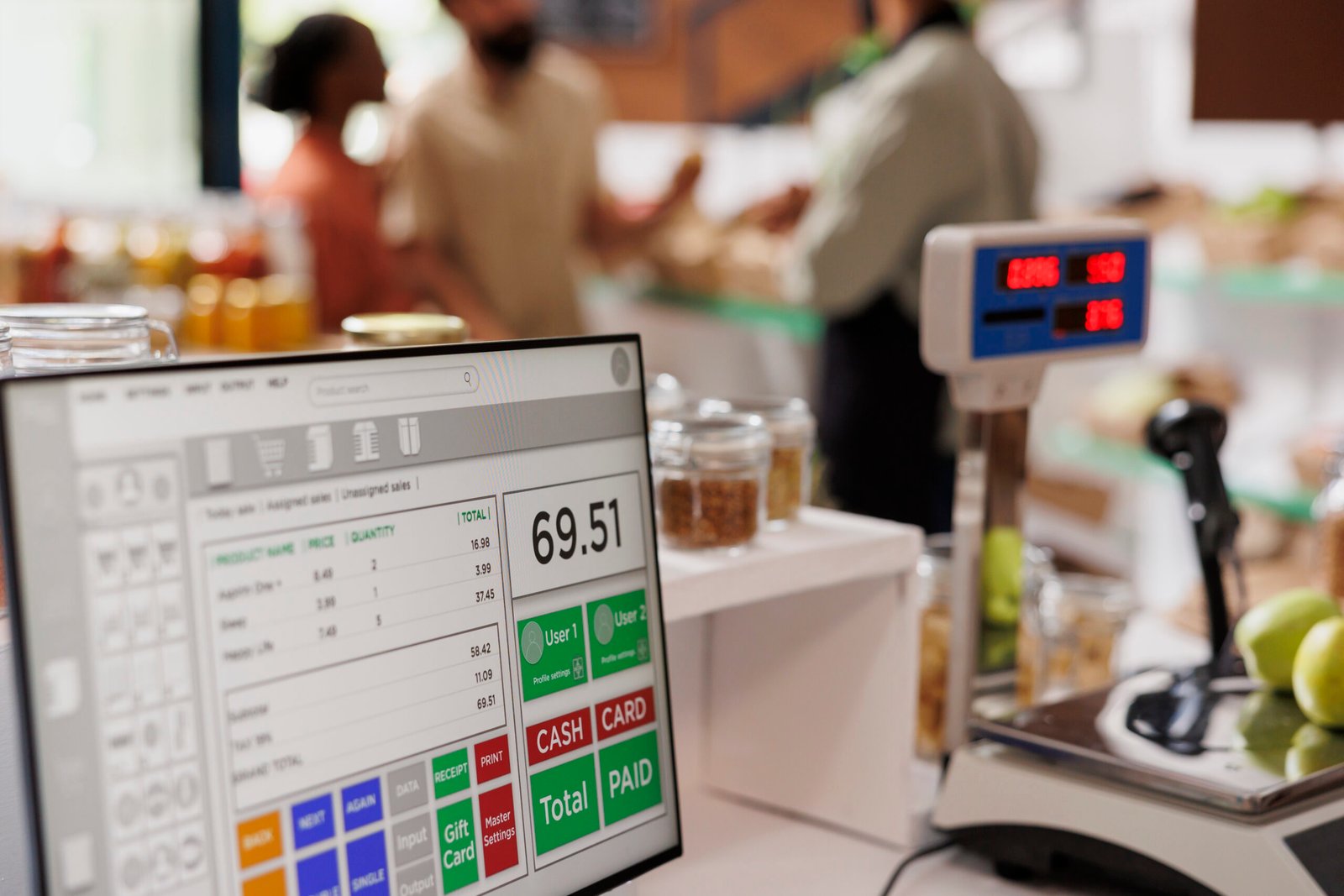
Linked the physical weighbridge directly to ERPNext’s Inventory Management module. Weight data is automatically captured in real time, eliminating manual logbook entries and risk of tampering.
Customized Quality Inspection Module:
Automated quality control parameters within ERPNext, enabling inspection teams to generate real-time quality reports directly attached to the Purchase Receipt before unloading.
End-to-End Workflow Integration:
Created a seamless digital handoff from Gate Entry > Live Weighbridge > Quality Inspection >Stock Ledger update.
Business Impact
Implementing ERPNext streamlined the client’s entire material receiving workflow, driving a 20% overall boost in operational efficiency. Automating gate entries cut vehicle processing times by 50%, while direct weighbridge integration reduced inventory discrepancies by 40%. Standardized digital inspections sped up quality checks by 30%, minimizing plant downtime. Ultimately, eliminating manual errors and data handling led to a 15% reduction in total operational costs.
“ERPNext has transformed our material receiving process. The integration of live weighment and automated gate entry has drastically improved our efficiency. We’re able to process incoming materials faster, with fewer errors, and our team spends less time on manual data entry.”
– Managing Director
1. How does direct weighbridge integration with ERPNext prevent inventory discrepancies?
By connecting the physical weighbridge scale directly to ERPNext via API/hardware integration, raw weight values are captured automatically into the ERP system without human intervention. This eliminates manual data entry typos, intentional tampering, and discrepancies between vendor invoice quantities and actual received quantities.
2. How can I get started with your services?Can ERPNext handle custom quality inspection workflows for different agro products?
Yes. ERPNext features fully customizable Quality Inspection templates. Inspection criteria (such as moisture content, grain size, impurity levels, or color) can be configured per item group (e.g., Wheat Flour vs. Granulated Wheat). Unloading and stock ledger entries are automatically blocked if an incoming shipment fails the pre-configured parameters.
3. What hardware or network infrastructure is required to implement automated gate entry and weighment?
The setup typically requires internet connectivity at the gate/weighbridge station, an IP-connected weighbridge indicator/controller, and basic desktop or tablet hardware running ERPNext. Systems can also be augmented with RFID tags, boom barriers, or ANPR (Automatic Number Plate Recognition) cameras depending on the facility's throughput requirements.