A high-capacity industrial operation involving complex metal rolling and engineering stages where delivery reliability is critical for customer retention.
The Challenges
The operation suffered from "Data Silos," where shop-floor activity was disconnected from management systems. Without real-time visibility into machine capacity or bottlenecks, promising accurate delivery dates (OTIF) was a constant struggle.
The Solution
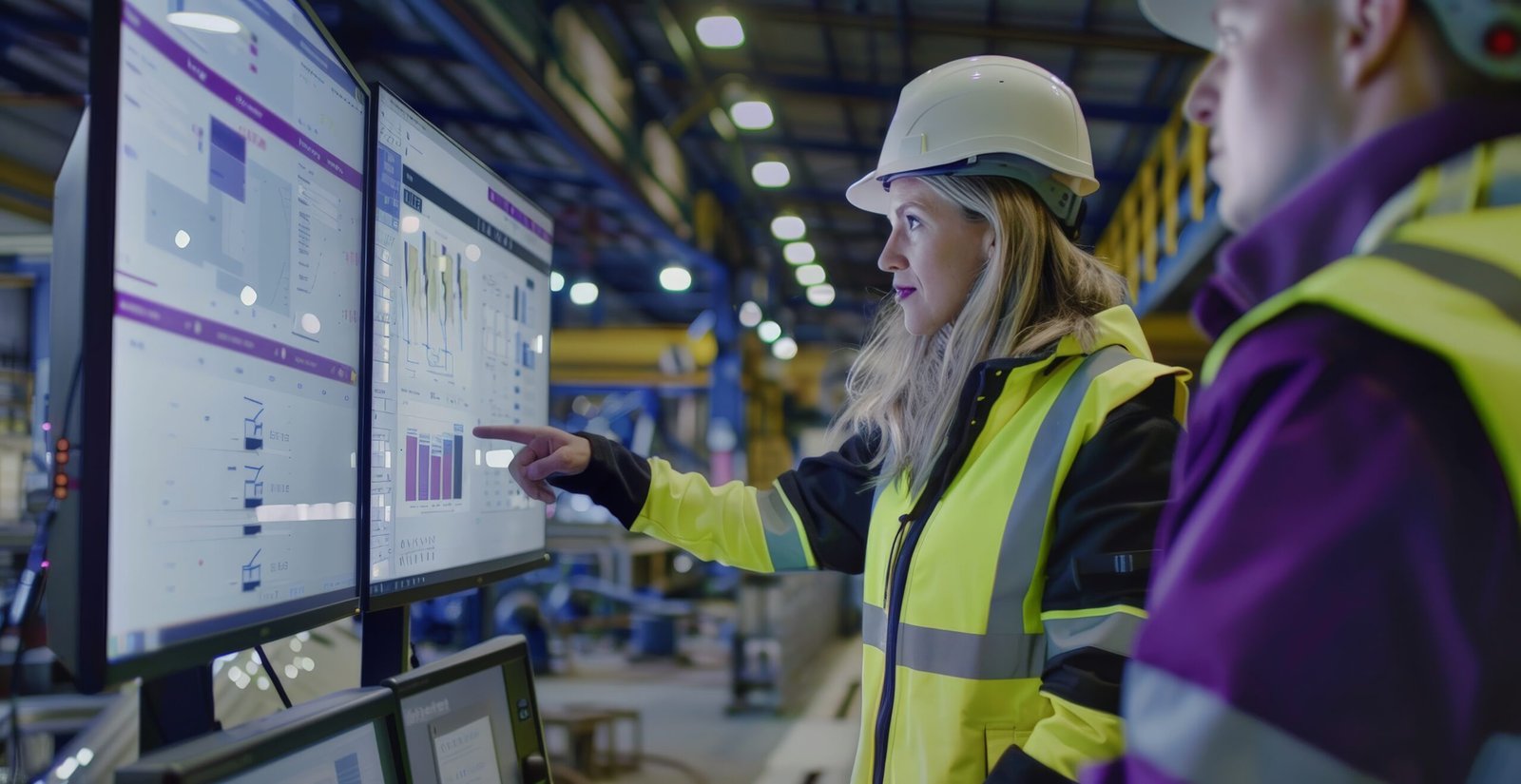
Our intervention unified fragmented systems into a single "Data Engine." We deployed real-time Work-in-Progress (WIP) tracking and system-driven scheduling to provide a transparent view of the entire production floor.
Business Impact
The integration drastically improved delivery reliability and machine utilisation. By identifying bottlenecks before they delayed shipments, the firm moved from reactive "fire-fighting" to a proactive, synchronised production model.
1. Our floor data is disconnected from our ERP; how do you bridge this gap?
Many engineering firms suffer from "Data Silos" where SAP or local MIS systems don't reflect shop-floor reality. We create a Unified Data Engine by implementing real-time Work-in-Progress (WIP) tracking. This ensures that every production stage—from rolling to finishing—is captured digitally, providing a single, accurate version of truth for management.
2. Can your system help us identify and resolve production bottlenecks?
Absolutely. By digitising machine capacity and tracking actual output against planned schedules, the system provides Bottleneck Visibility. This allows your production managers to see exactly where delays are occurring in real-time, moving the team from reactive "fire-fighting" to proactive constraint management.
3. How does this solution improve our delivery reliability (OTIF)?
Delivery delays often stem from a lack of capacity clarity. By synchronising your production schedules with live inventory and machine availability, we provide the transparency needed to set realistic delivery dates. This Synchronised Planning ensures you can consistently meet your "On-Time In-Full" (OTIF) targets and build stronger customer trust.
4. Will we need to replace our existing machinery or hardware?
No. Our framework is designed to sit atop your current operational infrastructure. We focus on integrating the Information Flow between your existing machines and your management systems. The goal is to enhance the intelligence of your current setup through better data governance, rather than requiring expensive capital expenditure.